
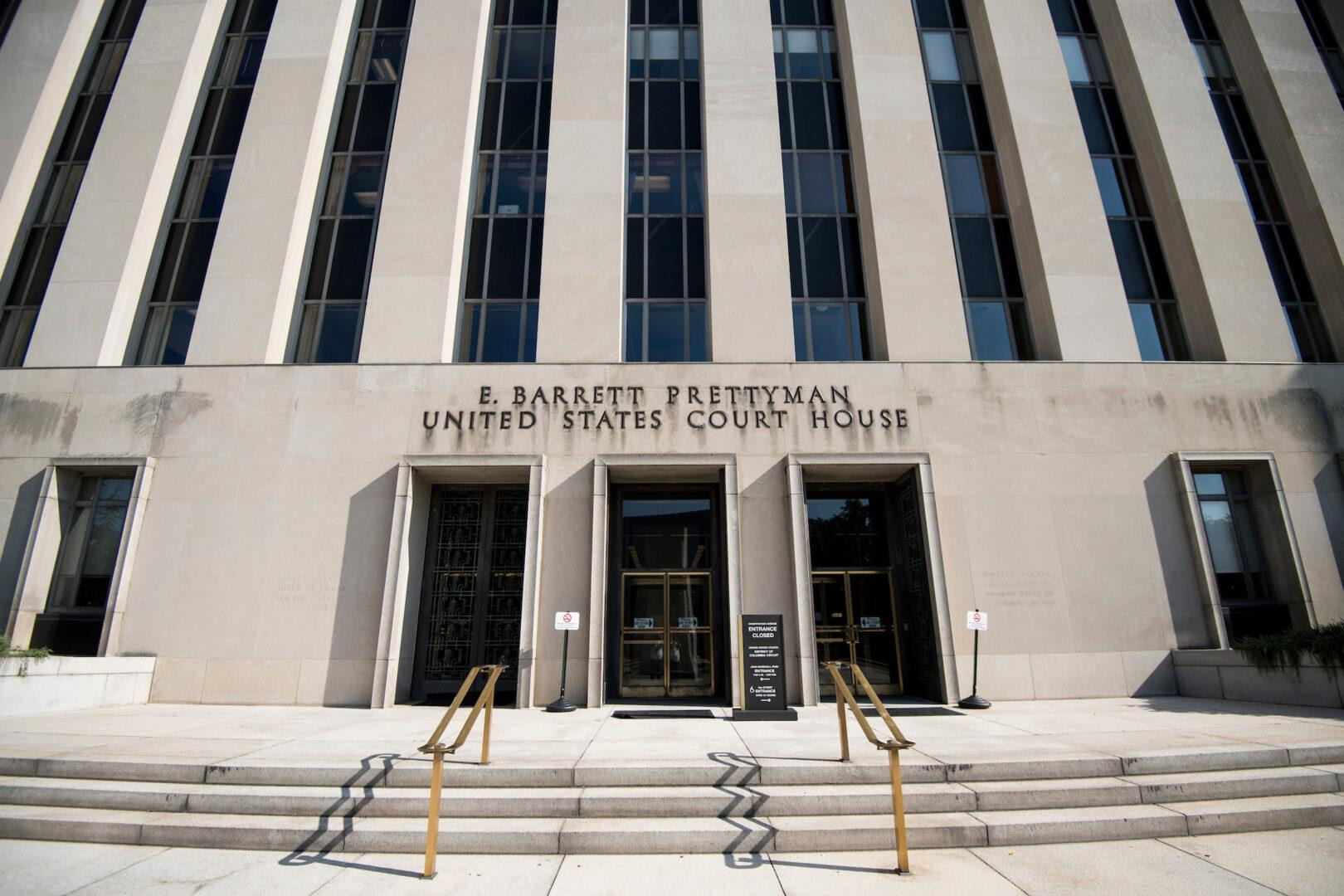
The federal election interference case against President Donald Trump in Washington, D.C., was dismissed in December 2024 after his victory in the 2024 presidential election. The decision ended the prosecution before it could go to trial, leaving the allegations unresolved in court.
A federal grand jury indicted Trump on August 1, 2023, accusing him of conspiring to overturn the results of the 2020 presidential election and obstruct the transfer of power. The indictment contained four criminal counts, including conspiracy to defraud the United States, obstruction of an official proceeding and conspiracy against rights.
Prosecutors alleged that Trump and others pursued several efforts to interfere with the certification of the election results, including promoting false claims of widespread election fraud and attempting to influence officials involved in the process. Trump pleaded not guilty and denied wrongdoing.
The case was overseen by U.S. District Judge Tanya Chutkan. It faced significant delays while Trump challenged the prosecution on presidential immunity grounds. In July 2024, the U.S. Supreme Court ruled that former presidents have immunity from criminal prosecution for certain official acts, while other conduct may still be subject to prosecution. The decision required further proceedings to determine how the ruling applied to the indictment.
After Trump won the 2024 election, Special Counsel Jack Smith asked the court to dismiss the federal case. The Justice Department cited its longstanding position that a sitting president cannot be federally prosecuted while in office.
Judge Chutkan granted the government’s request on November 25, 2024, dismissing the superseding indictment without prejudice. The court entered a supplemental dismissal order on December 6, 2024.
The case did not reach a trial, and no jury issued a verdict on the charges. The dismissal was based on the Justice Department’s policy concerning prosecution of a sitting president, rather than a trial determination of whether the allegations were true.
A separate election interference prosecution in Fulton County, Georgia, also came to an end in November 2025. The prosecutor who took over the case asked for it to be dismissed, and Fulton County Judge Scott McAfee granted the request, ending the case against Trump and the remaining defendants.
The Georgia case had accused Trump and 18 others of participating in an alleged effort to overturn his 2020 election loss in the state. Trump and the other defendants had pleaded not guilty. The dismissal followed years of legal disputes, including the disqualification of former Fulton County District Attorney Fani Willis from the prosecution.
The end of the two major election interference cases means neither prosecution resulted in a criminal trial verdict against Trump over the alleged efforts to overturn the 2020 election. The dismissals, however, should not be confused with a judicial finding that the alleged conduct did or did not occur.
The legal history remains significant because it involved questions about presidential immunity, the limits of federal prosecution and the ability of state authorities to pursue criminal cases involving a sitting president.