
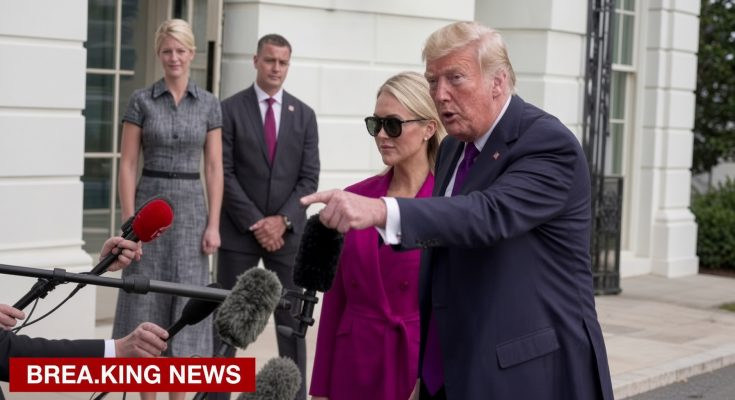
Donald Trump’s federal election interference case, stemming from his efforts to challenge the results of the 2020 presidential election, ended in November 2024 after the Justice Department moved to dismiss the charges following his return to the White House.
The case marked an unprecedented moment in American history. On August 1, 2023, a federal grand jury in Washington, D.C., indicted Trump on four felony counts related to efforts to overturn the results of the 2020 election.
**Four Federal Charges**
The indictment included conspiracy to defraud the United States, conspiracy to obstruct an official proceeding, obstruction of and attempting to obstruct an official proceeding, and conspiracy against rights.
Federal prosecutors alleged that Trump and others pursued multiple efforts to prevent the lawful certification of Joe Biden’s victory. The allegations included spreading claims of widespread election fraud, pressuring state officials, and attempting to use alternative elector certificates to challenge the official results.
The indictment also described efforts to influence then-Vice President Mike Pence’s role in the January 6, 2021, congressional certification of electoral votes.
Trump pleaded not guilty and denied wrongdoing. His defense argued that the prosecution was politically motivated and raised constitutional questions concerning presidential immunity and the First Amendment.
**Supreme Court Addressed Presidential Immunity**
The legal battle reached the Supreme Court, which issued a major ruling on July 1, 2024.
The Court determined that former presidents have immunity from criminal prosecution for certain official presidential acts, while unofficial acts do not receive the same protection. The ruling required lower courts to examine which allegations involved official conduct.
The decision significantly affected the legal proceedings and the scope of the prosecution.
**Federal Case Dismissed in November 2024**
After Trump won the 2024 presidential election, Special Counsel Jack Smith requested dismissal of the federal election interference case.
On November 25, 2024, U.S. District Judge Tanya Chutkan granted the request. The Justice Department relied on its longstanding position that a sitting president cannot be federally prosecuted while in office.
The dismissal was based on the constitutional and Justice Department policy concerning prosecution of a sitting president, not a trial verdict resolving the allegations.
**A Major Chapter in American Legal History**
The case raised important questions about presidential authority, accountability, election procedures, and the limits of executive power.
It also intensified political divisions, with supporters of the prosecution arguing that the rule of law must apply to former presidents, while Trump’s allies described the case as politically motivated.
The federal prosecution ended without a trial verdict on the election-related charges. The indictment and its dismissal remain significant parts of the legal and political history surrounding the 2020 presidential election.