
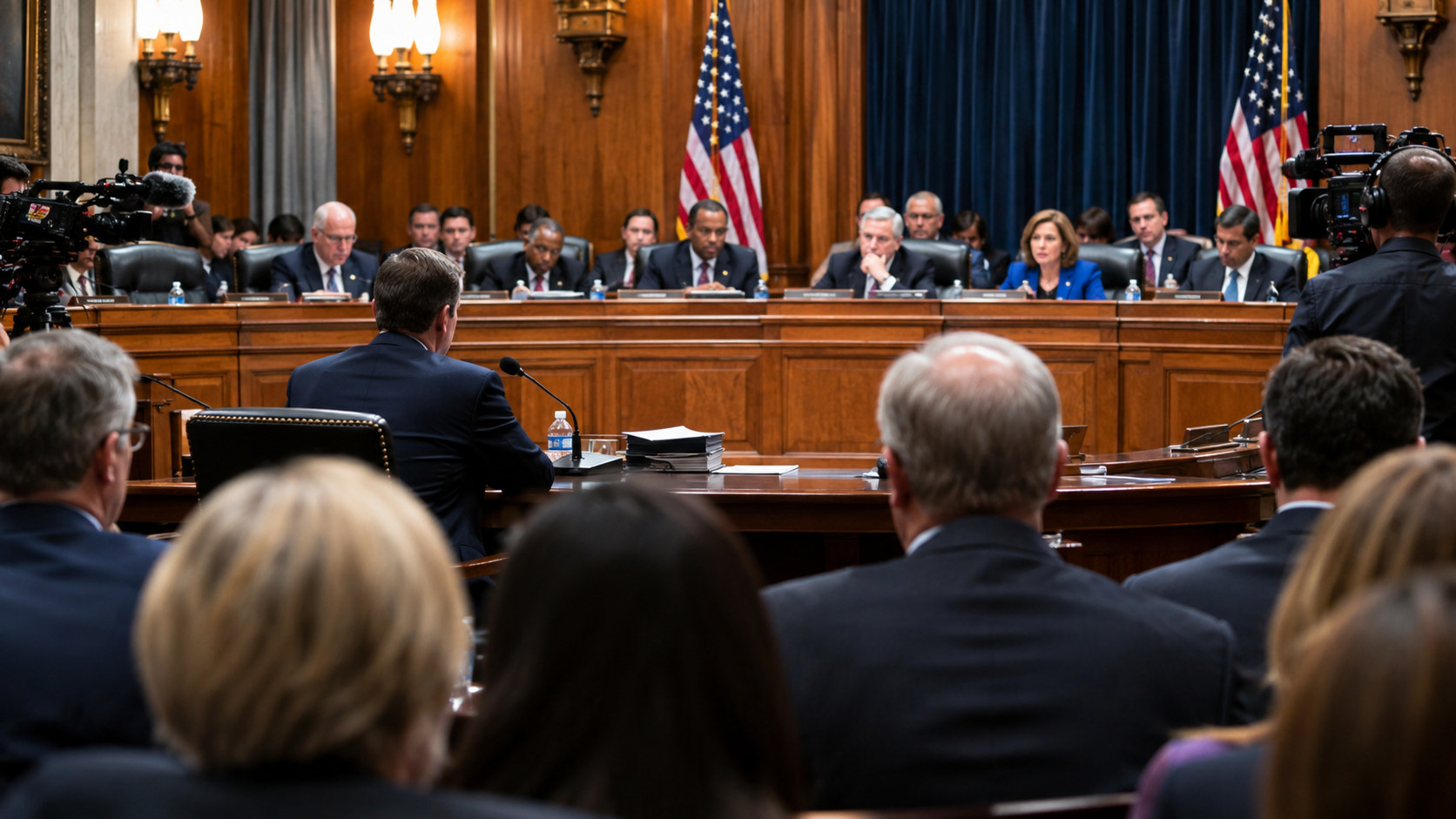
Democrats are preparing an extensive series of congressional investigations into President Donald Trump’s administration after winning control of Congress in the 2026 midterm elections, setting the stage for a new period of political and legal confrontations in Washington.
With their newly secured majorities, Democrats are expected to gain control of powerful congressional committees, expanded investigative resources and the authority to issue subpoenas when seeking testimony and government records.
Representative Robert Garcia of California, who is expected to lead the House Oversight Committee, has indicated that his team has been preparing investigations for months. Following the election, he publicly warned potential targets to prepare for increased congressional scrutiny.
Senator Ron Wyden of Oregon also signaled that subpoenas could become an important part of the Democrats’ approach. Other lawmakers have indicated that senior administration officials may be called to testify as committees examine government policies and decisions.
Several areas are emerging as potential priorities for investigations. They include the Trump family’s business dealings, federal immigration enforcement, the Justice Department’s handling of politically sensitive cases, and the administration’s response to the Jeffrey Epstein investigation.
Democrats are also expected to examine decisions involving federal agencies, government contracts and the administration’s military and foreign policy actions, including operations connected to Iran.
The Justice Department is likely to receive particular attention. Bloomberg Law reported that Democratic lawmakers are preparing oversight efforts involving the department’s workforce, prosecutions and questions about political influence over federal law enforcement.
The investigations could involve requests for documents, congressional hearings, witness interviews and subpoenas. However, obtaining records from the executive branch may not be straightforward. Administration officials could challenge requests, assert executive privilege or take legal action to resist subpoenas.
The White House and congressional Democrats are therefore likely to face disputes over the scope of Congress’s oversight authority and the administration’s obligation to provide information.
Although some Democrats have discussed impeachment as a possible option, it has not been established as the party’s immediate course of action. Their broader oversight agenda includes multiple investigations that could proceed independently of any impeachment effort.
The political shift follows the Republican Party’s losses in the November 3 midterm elections, which gave Democrats control of both chambers of Congress, according to election projections reported by the Associated Press.
The new Congress is scheduled to begin its work in January 2027. Until then, Democratic lawmakers are expected to continue organizing their committee priorities and preparing investigative plans.
The coming months could bring a series of high-profile hearings and legal disputes as Congress begins examining the Trump administration’s actions. The outcome will depend on the evidence lawmakers obtain, the administration’s response and the legal limits governing congressional investigations.