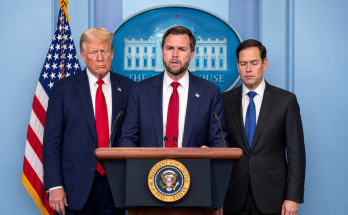

U.S. Secretary of State Marco Rubio delivered a major speech at the Munich Security Conference on February 14, 2026, urging European leaders to strengthen their ties with America and reaffirm the historical values he believes unite the Western world.
Rubio highlighted Europe’s Christian heritage, shared history, national sovereignty, and cultural traditions, arguing that the United States and Europe have a common interest in protecting their future. His remarks received a standing ovation from the conference audience.
Rubio Raises Concerns About Mass Migration
A central theme of Rubio’s address was immigration. He argued that large-scale migration has placed pressure on social cohesion and cultural continuity across Western countries.
Rubio called on European governments to reconsider policies he believes have weakened national sovereignty and to work more closely with Washington on security, economic independence, and border control.
Supporters welcomed his message as a direct defense of Western traditions and stronger transatlantic cooperation. Critics, however, have questioned his framing of migration and warned against defining Western identity too narrowly around religion and ancestry.
What Does This Mean for America and Europe?
Rubio’s speech reflects the Trump administration’s broader foreign policy approach, which emphasizes national sovereignty, border security, and stronger domestic industries.
The address also highlighted the challenges facing the U.S.-European relationship as allies navigate differences over immigration, trade, defense spending, and international cooperation.
For both sides, the question is how to preserve shared historical ties while responding to changing economic and social realities.
Rubio’s message made clear that the administration wants Europe to remain a strong partner—but one that places greater emphasis on national identity, security, and independence.