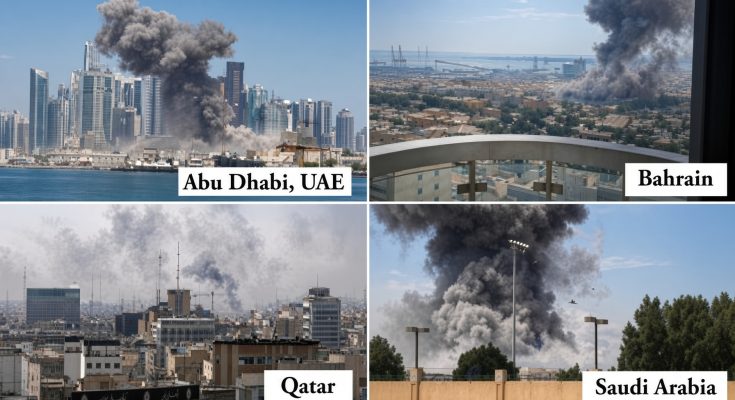
PERSIAN GULF — Iran’s missile and drone attacks across the Persian Gulf have exposed security vulnerabilities in countries hosting American military facilities, raising concerns about regional stability and the safety of critical infrastructure.
Bahrain, Qatar, Kuwait and the United Arab Emirates are among the Gulf countries affected by the wider conflict involving Iran, the United States and regional allies.
The attacks have highlighted the strategic importance of military installations such as Al Dhafra Air Base in the UAE, Al Udeid Air Base in Qatar and the U.S. Navy’s Fifth Fleet headquarters in Bahrain. These facilities play important roles in American military operations across the Middle East.
A June 2026 report by the Congressional Research Service said Iran had launched thousands of missiles and drones toward Gulf Cooperation Council countries since the conflict began on February 28. Many incoming weapons were intercepted, although attacks and falling debris caused damage to infrastructure and disrupted civilian activities.
A Reuters investigation published October 15 also documented repeated Iranian strikes against Gulf infrastructure, finding that important energy and other facilities had been hit during the conflict.
The consequences extend beyond military installations. Airports, energy facilities, shipping routes and civilian infrastructure remain vulnerable during periods of heightened confrontation.
The Strait of Hormuz is particularly important because it carries a significant share of global petroleum shipments. Any prolonged disruption could affect international energy markets, shipping costs and the wider global economy.
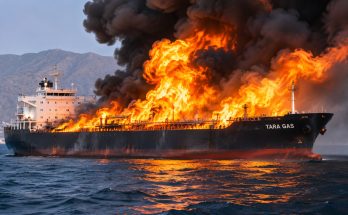
Tensions remained elevated on October 30 after Iran’s Revolutionary Guards Navy reported that four oil tankers had caught fire or exploded in the Strait of Hormuz. Reuters said it could not independently verify Iran’s account, while separate maritime reports described vessels being struck by unknown projectiles.
Although the Gulf states have strengthened their air-defense cooperation, the continuing conflict demonstrates the risks facing countries that host military facilities and depend on regional trade routes.
There has been no independently confirmed announcement of a new coordinated missile barrage targeting all four countries on October 30. The broader security situation, however, remains serious as regional governments seek to protect their populations and prevent further escalation.