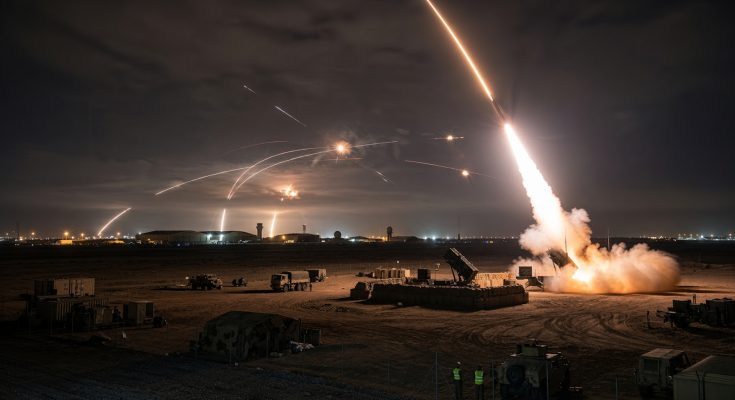
Air-defense systems across the Persian Gulf have reportedly been activated as Iranian missile and drone attacks raise security concerns around military installations hosting U.S. forces in several Middle Eastern countries.
The reported attacks have placed Bahrain, Qatar, Kuwait and the United Arab Emirates on heightened alert, with regional defense networks working to detect and intercept incoming threats.
The escalating confrontation has also raised concerns about the safety of American military personnel, regional stability and international shipping routes.
U.S. Military Installations Face Increased Threats
Several strategic facilities hosting American forces are located across the Gulf region, making them important components of the U.S. military presence in the Middle East.
Among them is Al Dhafra Air Base in the United Arab Emirates, which supports American reconnaissance aircraft, airborne surveillance operations and aerial refueling missions.
According to the report, Emirati air-defense units have used advanced systems, including Patriot PAC-3 and Terminal High Altitude Area Defense (THAAD), to respond to incoming projectiles.
Iranian state media has also made claims about strikes against American military infrastructure. However, the extent of any damage to major installations remains unclear and requires independent verification.
Bahrain and Qatar Maintain Heightened Military Readiness
Bahrain remains particularly important to American military operations because it hosts Naval Support Activity Bahrain, the headquarters of U.S. Naval Forces Central Command and the U.S. Fifth Fleet.
The country plays a major role in maritime security operations throughout the Persian Gulf, Red Sea and Arabian Sea.
The report describes multiple engagements involving Bahraini air-defense systems and U.S. Navy guided-missile destroyers operating in nearby waters.
In Qatar, Al Udeid Air Base has also remained a major focus of regional security concerns.
The facility serves as an important headquarters for U.S. Central Command operations and houses the Combined Air Operations Center, which coordinates military aviation activities across the region.
Kuwait has also increased its defensive readiness as concerns grow over possible drone and missile threats near facilities supporting American military operations.
Strait of Hormuz Raises Global Energy Concerns
Beyond the military implications, the escalating confrontation could have serious consequences for international energy markets.
The Strait of Hormuz is one of the world’s most important maritime shipping routes, carrying approximately one-fifth of global petroleum consumption through its narrow passage.
Any prolonged disruption could affect oil transportation, international shipping costs and fuel prices.
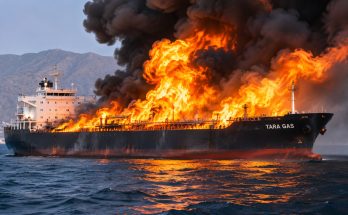
According to the report, commercial shipping companies have adjusted their operations amid growing security concerns, with some vessels delaying Gulf transits or considering alternative routes.
Higher maritime insurance costs could also place additional pressure on shipping companies and energy businesses.
The possibility of further attacks or restrictions on navigation has made the waterway a central concern for governments and international markets.
Regional Air-Defense Systems Under Pressure
The reported missile and drone activity highlights the growing importance of coordinated air-defense networks across the Gulf Cooperation Council countries.
These systems are designed to detect, track and intercept different types of aerial threats, including ballistic missiles and unmanned aircraft.
However, responding to repeated attacks can place significant demands on interceptor supplies, military personnel and defensive infrastructure.
Regional governments must also balance the need to protect their territories with the risk of becoming more deeply involved in the confrontation between Washington and Tehran.
Growing Risk of a Wider Middle East Conflict
The latest developments have increased concerns that the confrontation could expand beyond isolated military exchanges.
American military facilities across the region remain strategically important, while Gulf countries hosting those installations face the challenge of protecting their own populations and infrastructure.
Any successful strike causing significant casualties could increase pressure for a stronger military response and complicate diplomatic efforts.
For now, air-defense readiness, protection of military facilities and the security of international shipping remain major priorities across the Persian Gulf.
The situation remains highly sensitive, with the possibility of further escalation posing risks to regional security and the global economy.