
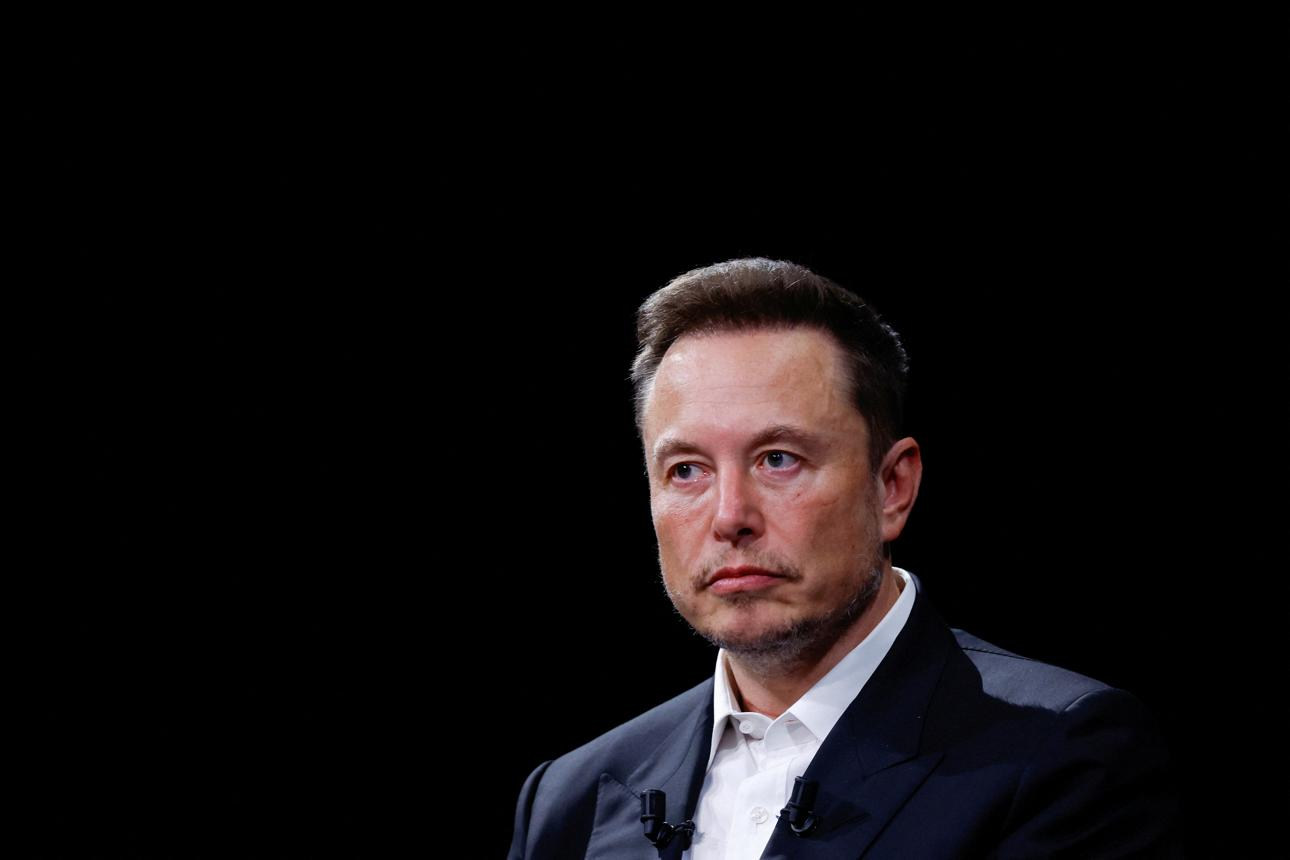
Elon Musk poured an estimated $474 million into political campaigns and Republican-aligned organizations ahead of the 2026 U.S. midterm elections, but the results delivered a major setback for many of the candidates he supported.
The billionaire entrepreneur, whose companies include Tesla and SpaceX, became one of the most influential political donors of the election cycle. His contributions helped finance campaigns, political action committees and outside groups working to support Republican candidates across the country.
According to a New York Times estimate cited by multiple news organizations, Musk contributed approximately $474 million to political groups during the 2026 election cycle. The figure is based on disclosed campaign finance records and other available filings, and may not capture every contribution.
Texas Became the Center of Musk’s Spending
One of Musk’s biggest political investments focused on Texas, where Republican Ken Paxton faced Democrat James Talarico in a closely watched U.S. Senate race.
Musk directed more than $200 million toward Republican political efforts in Texas, with a substantial portion supporting Paxton’s campaign.
Despite the enormous financial backing, Talarico defeated Paxton, delivering a major political setback to the Republican effort in a state that has long been a stronghold for the party.
The Texas results also included a major change in the governor’s race, where Democrat Gina Hinojosa defeated Republican Greg Abbott, according to election reports.
Millions Went to Other Losing Campaigns
Musk’s political spending extended well beyond Texas.
His America PAC, along with other Republican-aligned political organizations that received his financial support, backed candidates in competitive House and Senate races across the country.
Several prominent Republican candidates supported by these efforts were defeated.
In Ohio, Democrat Sherrod Brown won the Senate race. In Maine, Democrat Troy Jackson defeated Republican Senator Susan Collins. Michigan also saw a major Democratic victory, with Abdul El-Sayed winning the Senate race.
Reuters reported that only three of the 43 House candidates Musk supported won their races, while six of the seven Senate candidates he backed lost.
The results highlighted the limits of campaign spending when voters ultimately make their decisions at the ballot box.
Musk’s Political Influence Faces New Questions
The election results have raised questions about how much influence even the wealthiest political donors can exercise through campaign contributions.
Musk’s financial involvement had made him a central figure in Republican efforts to maintain control of Congress. However, Democrats’ victories have changed the political environment and could bring increased scrutiny of his businesses and government-related activities.
Democratic lawmakers have also discussed investigations into government contracts involving Musk’s companies, including SpaceX, as well as his previous role in the Trump administration.
Despite the setbacks, Musk remains one of the country’s most financially powerful political donors. His influence in future elections and Republican politics remains an important issue to watch.
The 2026 midterms delivered a clear reminder: Spending hundreds of millions of dollars can give candidates enormous financial support, but it cannot guarantee that voters will choose them.