
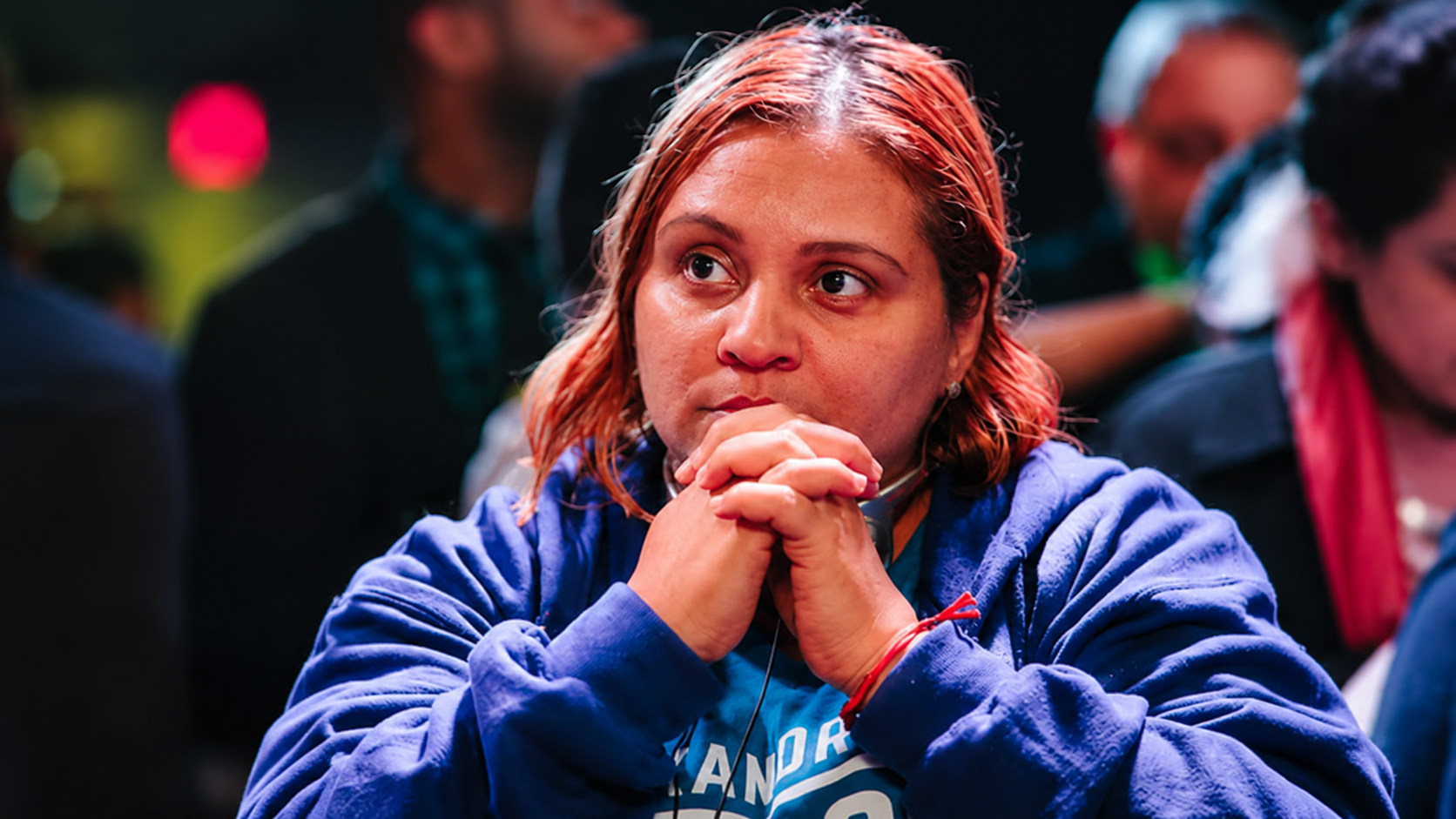
A New York State Assembly candidate reportedly offered to reimburse campaign donors through Zelle, raising questions about whether contributions were made independently and in the donors’ own names to qualify for public matching funds.
According to a November 24 report by The New York Times, Jasmin Sanchez offered to send money to prospective donors in exchange for contributions to her campaign. The newspaper said it reviewed financial records, text messages and interviews with people connected to the reported transactions.
In one exchange, Sanchez allegedly thanked a person for donating $20 and offered to send an additional $230 through Zelle so the contribution would reach the maximum amount eligible for matching funds. The donor agreed, and Sanchez later confirmed that she had sent the money, according to screenshots described in the report.
In another exchange, Sanchez reportedly asked a district resident whether she could send him money so he and his girlfriend could make campaign contributions before a filing deadline. Financial records showed a $100 transfer to the person, with the transaction described as being for “food,” the newspaper reported.
The report also identified several people whose names appeared in campaign contribution records but who said they did not remember donating or had not authorized contributions in their names.
New York State law requires campaign contributions to be made in the true name of the person providing the money. Reimbursing someone for a political contribution or using another person as a so-called straw donor can violate campaign finance rules and potentially carry criminal penalties.
How New York’s Matching Funds Program Works
New York’s Public Campaign Finance Program is designed to give small-dollar donors greater influence in elections by providing public funds to qualifying candidates.
For state legislative races, eligible contributions are matched at different rates: 12-to-1 for the first $50, 9-to-1 for the next $100 and 8-to-1 for the following $100. A qualifying $250 contribution from a district resident can therefore generate up to $2,300 in public matching funds.
The Times reported that Sanchez received approximately $100,000 in matching funds after reporting about $27,000 in campaign contributions. She lost the Democratic primary by approximately 20 percentage points.
Sanchez Denies Wrongdoing
In written responses to the newspaper, Sanchez denied knowingly reimbursing anyone in exchange for campaign contributions, submitting unauthorized contributions or engaging in fraudulent fundraising practices.
She also argued that anonymous allegations should not be treated as established facts without giving her an opportunity to review and respond to the evidence.
The State Public Campaign Finance Board’s enforcement staff had reportedly been made aware of the allegations. The State Board of Elections declined a public records request, saying the records were being compiled for law enforcement purposes. Officials declined to comment further.
The allegations have also drawn attention to Sanchez’s previous campaign finance history. In connection with her 2017 New York City Council campaign, the New York City Campaign Finance Board assessed $11,862 in penalties, including a $10,000 penalty for material misrepresentation. The board’s final determination included findings involving false contribution reporting and documentation.
Sanchez said she paid the fine and argued that the earlier matter should not be used as evidence that the new allegations are true.
The latest report has renewed questions about oversight of New York’s public campaign financing system and the safeguards used to ensure that contributions are genuine. No criminal charge or final state enforcement finding against Sanchez concerning the latest allegations was identified in the report.
